
Preparing to sell your business: what do you actually want? Guest insight by Peter Dines, Founder & Chief Executive, Qualeris
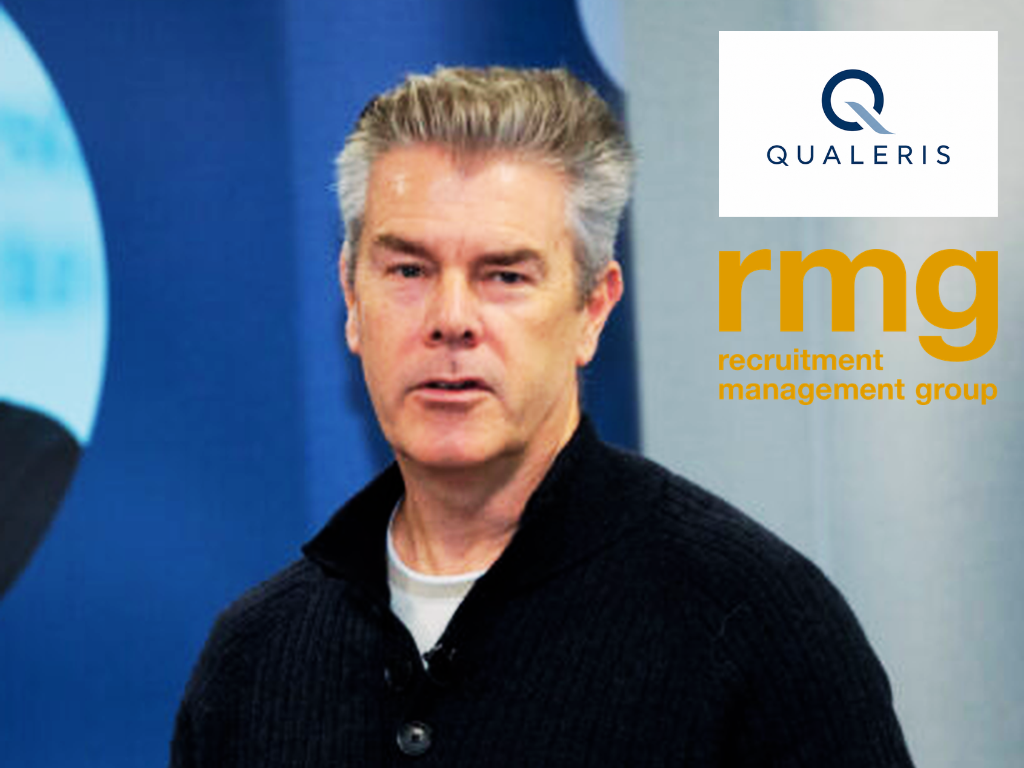
Selling a business is rarely a simple choice between keeping it and walking away.
Peter Dines, Founder and Chief Executive of Qualeris, considers the different outcomes available to owners - and why preparing personally can be just as important as preparing the company.
Start with what you actually want
For many company owners, selling a business is something they will do only once. It may represent the culmination of 20 or 30 years of work and a significant proportion of their personal wealth.
If you are preparing to sell your business, I think the most important question to ask yourself is: “What do I actually want?” Not every exit is the same.
There is a tendency to think about an exit as a binary decision: you either own the business or you sell it. In reality, owners have multiple choices.
Do you want to maximise the cash proceeds on day one? Do you want to retain some equity? Do you want to continue running the business for several years, or walk away and retire relatively quickly? Is preserving the company’s independence important? What should happen to the management team and other team members? Does the company name matter? What about its location, culture and customers?
Perhaps most importantly, what do you want the business to look like ten years after you have sold it?
There is no universally correct answer. However, there can be a significant difference between selling to private equity, a strategic trade buyer, another entrepreneur, the existing management team, an employee ownership structure or a permanent owner.
Understanding those differences before starting a process matters.
Look beyond the headline valuation
Headline valuation understandably attracts attention, but two offers at the same valuation can produce very different outcomes.
Consideration might be paid entirely in cash, partly deferred, linked to an earn-out or include equity in the acquiring company. One buyer may require the founder to remain heavily involved; another may want them to leave immediately.
There may also be very different intentions for the business itself.
A strategic buyer may see substantial value in integrating the company and its people into a larger organisation. Private equity may provide capital and expertise to accelerate growth, usually with another transaction anticipated at some point during the next five years.
A permanent owner offers a different proposition again: acquiring a good business with the intention of continuing to own it, rather than preparing it for another sale.
For some founders, that distinction will not be important. For others - particularly those who have spent decades building a company - it can matter enormously.
It is worth asking yourself:
· How much money is enough?
· How important is certainty of consideration?
· Do you want to remain involved?
· What do you want for your team members?
· Which aspects of the company’s identity do you want to preserve?
· What would make you proud - or uncomfortable - if you looked at the business ten years after the transaction?
Prepare the owner as well as the business
There is another aspect of exit planning that deserves attention.
Founders often spend years preparing their companies for a transaction but surprisingly little time preparing themselves and their families.
A sale can fundamentally change someone’s financial position. That means thinking well in advance about personal financial planning, estate and succession planning, pensions, investment structures, wills and the potential tax consequences of different transaction structures.
These issues can be complex, and tax rules change. They require appropriate legal, tax and financial advice.
Some decisions cannot easily be made retrospectively. Allowing sufficient time gives advisers far more opportunity to consider the founder’s circumstances properly.
The important principle is simple: do not wait until an offer arrives before starting conversations with expert advisers.
Prepare for due diligence before a buyer arrives
Finally, once you have decided what you want, preparing for due diligence is vitally important.
I can testify from personal experience that it is stressful and challenging to continue running a business while dealing with prospective buyers, lawyers and advisers during due diligence. Good exit preparation should ideally begin years rather than months before a transaction.
That does not mean putting the business up for sale tomorrow. It means organising the business as if it could be sold tomorrow. Being organised will make due diligence easier and considerably less stressful when the time is right.
There are broadly three areas of information that will be critical during due diligence. Although specialist software is available, the most important thing is the quality and accessibility of the underlying information.
My practical advice is to create three confidential folders on the company drive and keep them updated:
· Legal: Companies House information, employment contracts, intellectual property records and other legal documentation.
· Financial: Historic financial performance, tax-related documents, current management information and future budgets.
· Commercial: Customer information, competitor analysis, market information and product documentation.
To help, we have developed a free due-diligence checklist for owners. It is not designed to be a definitive list, as every business will have additional information specific to its circumstances, but I hope it provides useful guidance and helps to make the eventual process less painful.
If you are planning for an exit, I wish you every success with the route you choose.
Peter Dines
Founder and Chief Executive, Qualeris
About Peter Dines and Qualeris
Peter Dines is the Founder and Chief Executive of Qualeris, a permanent holding company focused on acquiring high-quality MedTech products and services businesses in the UK and Ireland. Qualeris offers owners a long-term home for their businesses, with no planned resale timetable.
RMG editorial note:
This article forms part of RMG’s guest insight series, bringing perspectives from leaders, investors and advisers working across MedTech, life sciences and healthcare.